 (+035) 527-1710-70
 google@gmail.com
 Choose an address


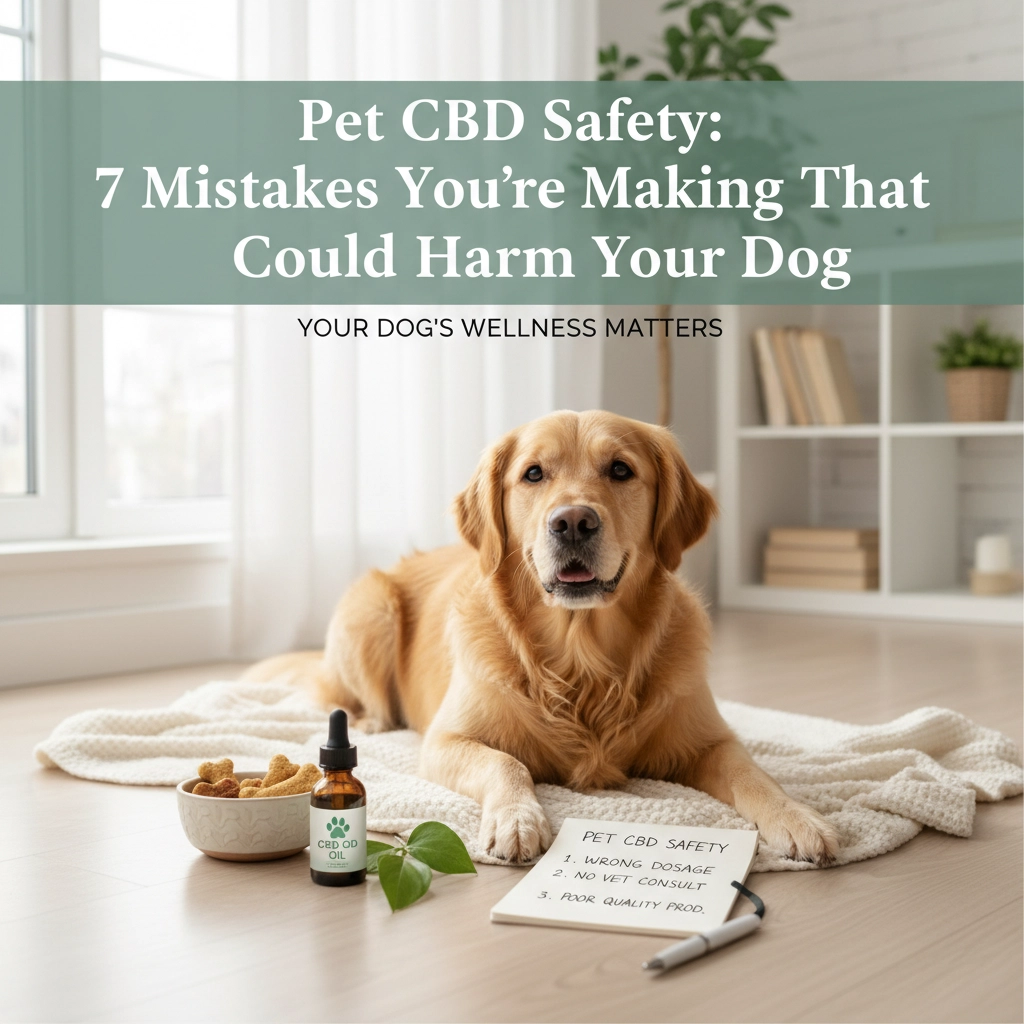
CBD products for pets have exploded in popularity over the past few years, with many dog owners turning to cannabidiol as a natural solution for their furry friends' anxiety, pain, and other health issues. While CBD can offer genuine benefits for dogs when used correctly, the lack of regulation in the pet CBD market has created a minefield of potential dangers for unsuspecting pet owners.
The truth is, many well-intentioned dog owners are making critical mistakes that could seriously harm their beloved companions. From dosing errors to product selection failures, these common oversights can turn a helpful supplement into a health hazard. Understanding these pitfalls is essential for any pet owner considering CBD for their dog.
Mistake #1: Skipping the Veterinary Consultation
The biggest mistake pet owners make is diving into CBD without consulting their veterinarian first. This isn't just a recommendation: it's a critical safety step that could save your dog's life.
Your veterinarian understands your dog's specific health profile, current medications, and potential risk factors. CBD can affect liver enzymes involved in medication metabolism, which means it could interfere with other treatments your dog is receiving. What might seem like a harmless natural supplement could actually create dangerous drug interactions.
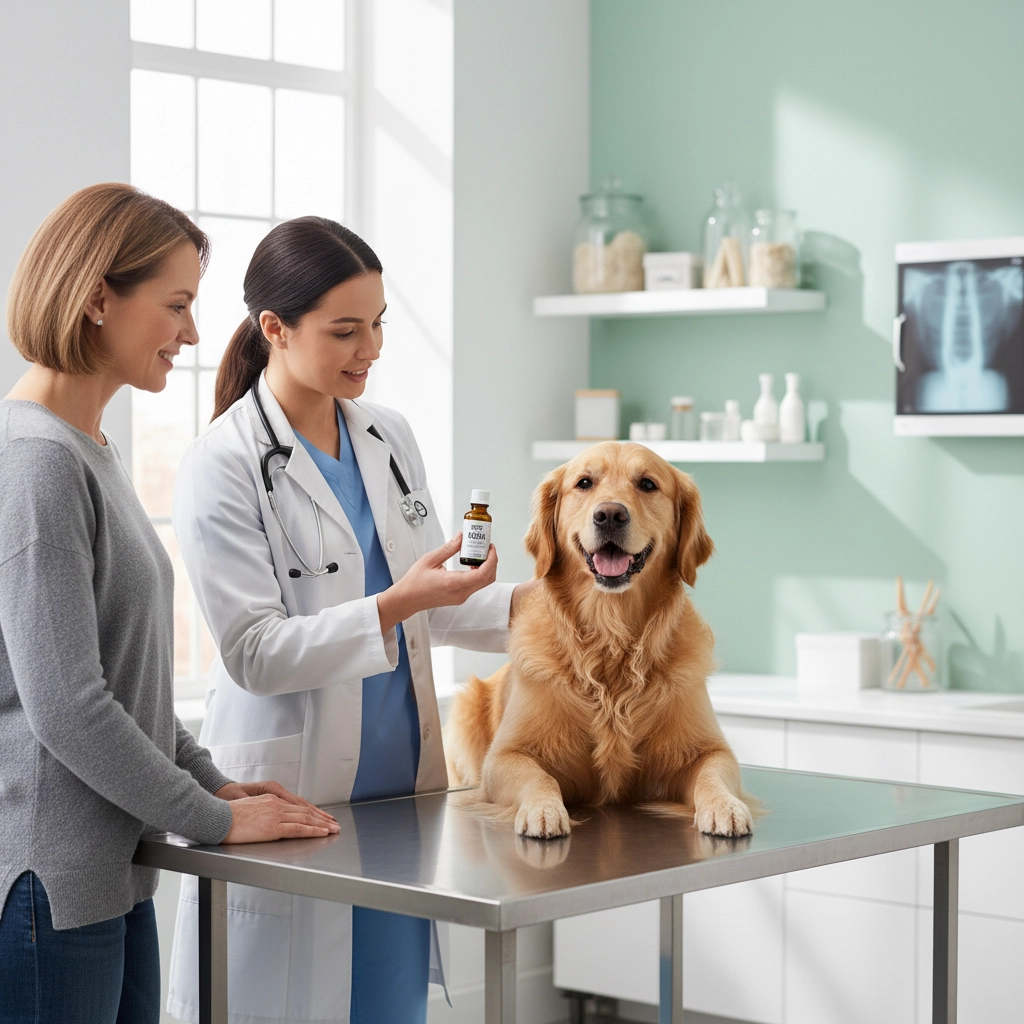
Before giving your dog any CBD product, schedule a consultation with your vet. They can assess whether CBD is appropriate for your pet's condition and provide guidance on safe usage. This conversation becomes even more important if your dog has existing health conditions or takes regular medications.
Mistake #2: Using Human CBD Products
Just because a CBD product works for you doesn't mean it's safe for your dog. Human CBD products often contain ingredients that can be toxic to dogs, including chocolate flavoring, certain essential oils, xylitol (an artificial sweetener), and other additives that are harmless to humans but dangerous to pets.
The concentration levels in human products are also typically formulated for much larger body weights and different metabolisms. What constitutes a mild dose for a 150-pound human could be a massive overdose for a 30-pound dog.
Pet-specific CBD products are formulated with dogs in mind. They avoid toxic ingredients and are usually flavored with dog-friendly tastes like chicken or beef. The concentration levels are also more appropriate for smaller body weights, making dosing safer and more predictable.
Mistake #3: Getting the Dosage Wrong
Improper dosing is one of the most common causes of CBD side effects in dogs. Unfortunately, there's no FDA-approved dosing chart for pet CBD, leaving many owners to guess at appropriate amounts.
The general rule is to start low and go slow. Begin with the smallest recommended dose on the product packaging and observe your dog's response over several days. If you don't see the desired effects, you can gradually increase the amount, but never double or triple the dose all at once.
Using CBD oil with droppers gives you more control over dosing compared to fixed-dose treats or tablets. This flexibility is especially important when you're first determining what works for your dog. Keep a log of doses and your dog's response to help you find the optimal amount.
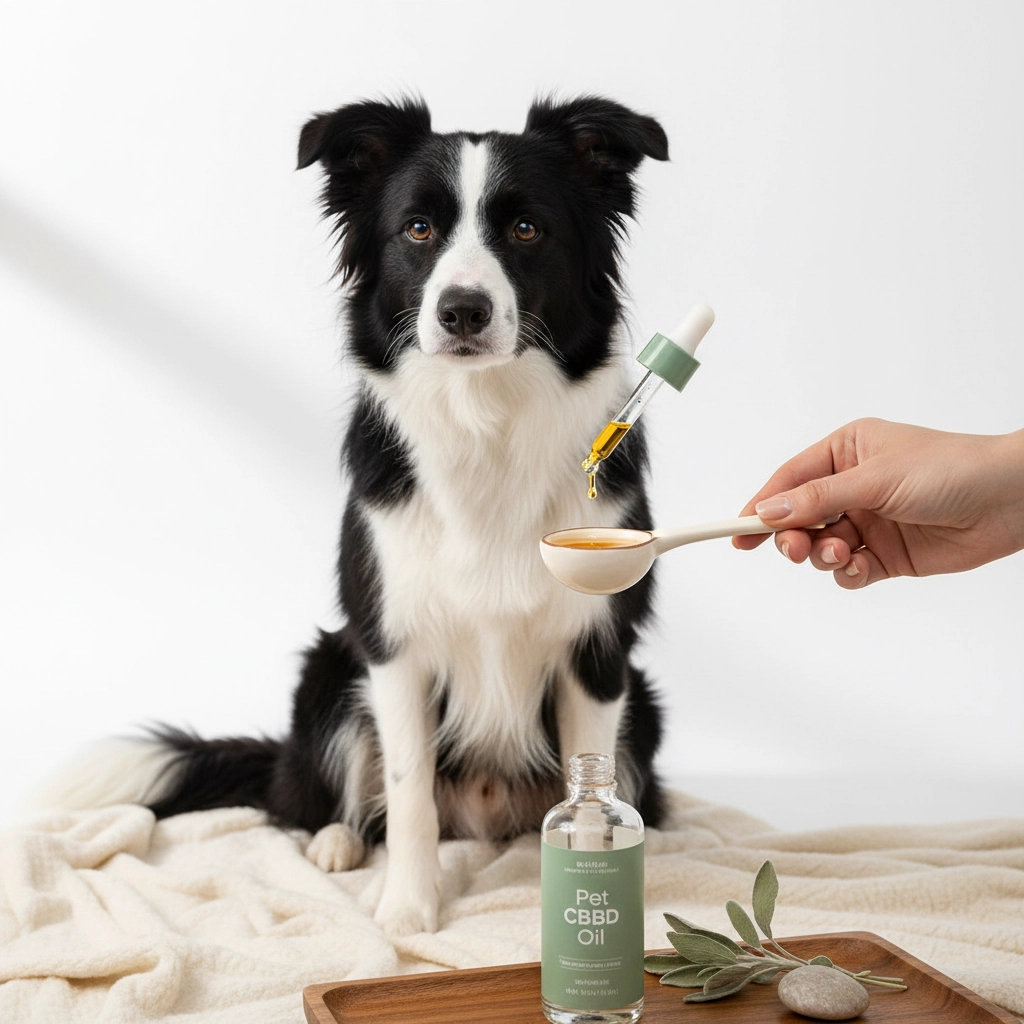
Body weight is a crucial factor in determining dosage, but it's not the only consideration. Your dog's age, health status, and the severity of the condition being treated all play a role in finding the right dose.
Mistake #4: Choosing Low-Quality Products
The pet CBD market is largely unregulated, and studies have found that up to 56% of pet CBD products are mislabeled. This means the amount of CBD listed on the label might not match what's actually in the bottle.
Cheaper CBD products often cut corners on quality control and may contain harmful contaminants like pesticides, heavy metals, or residual solvents from the extraction process. These toxins can cause serious health problems for your dog, from digestive upset to more severe poisoning.
High-quality CBD products should come with a Certificate of Analysis (COA) from a third-party laboratory. This document confirms the actual CBD content and tests for contaminants. Reputable companies make these certificates easily accessible on their websites or provide them upon request.
Look for products that are organic or specifically state they're free from pesticides, fungicides, and solvents. While these products typically cost more, the investment in your dog's safety is worth it.
Mistake #5: Ignoring THC Content
Even trace amounts of THC can be dangerous for dogs. While hemp-derived CBD products are legally required to contain less than 0.3% THC, this small amount can still cause cannabis toxicity in sensitive dogs.
Cannabis toxicity in dogs is a serious condition that can cause symptoms including:
- Extreme drowsiness or lethargy
- Loss of coordination
- Dilated pupils
- Slower heart rate
- Inability to control urination
- Low body temperature
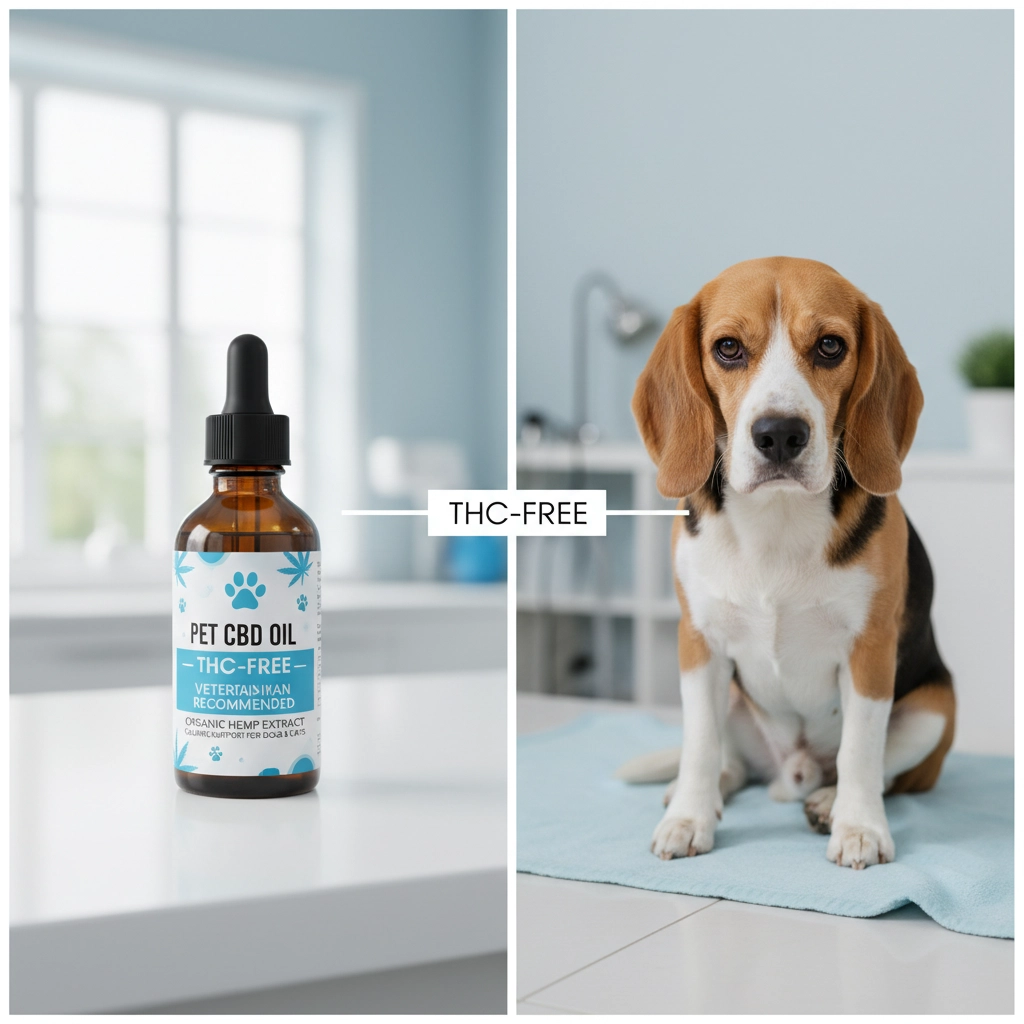
"Full spectrum" CBD products contain all the compounds found in the hemp plant, including trace amounts of THC. While these products may offer enhanced benefits due to the "entourage effect," they also carry higher risks for dogs. For maximum safety, choose broad-spectrum or CBD isolate products that have had the THC removed.
Always verify THC content through third-party lab testing. If your dog shows any signs of cannabis toxicity, contact your veterinarian or pet poison control immediately.
Mistake #6: Not Monitoring for Side Effects
While serious side effects from CBD are rare, they can occur, especially when dogs are given too much or have sensitivities to the product. Many pet owners fail to recognize the early signs of problems, allowing minor issues to become more serious.
Common side effects of CBD in dogs include:
- Excessive thirst (dry mouth)
- Drowsiness or lethargy
- Lowered blood pressure
- Diarrhea
- Loss of appetite
More serious symptoms that require immediate veterinary attention include:
- Severe lethargy or inability to wake up
- Vomiting
- Tremors or seizures
- Difficulty breathing
- Abnormal heart rate
Keep a close eye on your dog for the first few days after starting CBD. Note any changes in behavior, appetite, energy levels, or bathroom habits. If you notice any concerning symptoms, stop the CBD immediately and consult your veterinarian.
Mistake #7: Overlooking Drug Interactions and Medical Conditions
CBD isn't just a harmless supplement: it's a biologically active compound that can interact with other medications and affect various body systems. One of the most serious overlooked risks is CBD's effect on blood clotting.
CBD can increase bleeding risk, which becomes dangerous if your dog needs surgery or is taking blood-thinning medications. If your dog has a scheduled surgery, you must discontinue CBD use well in advance and inform your veterinarian about any CBD use.
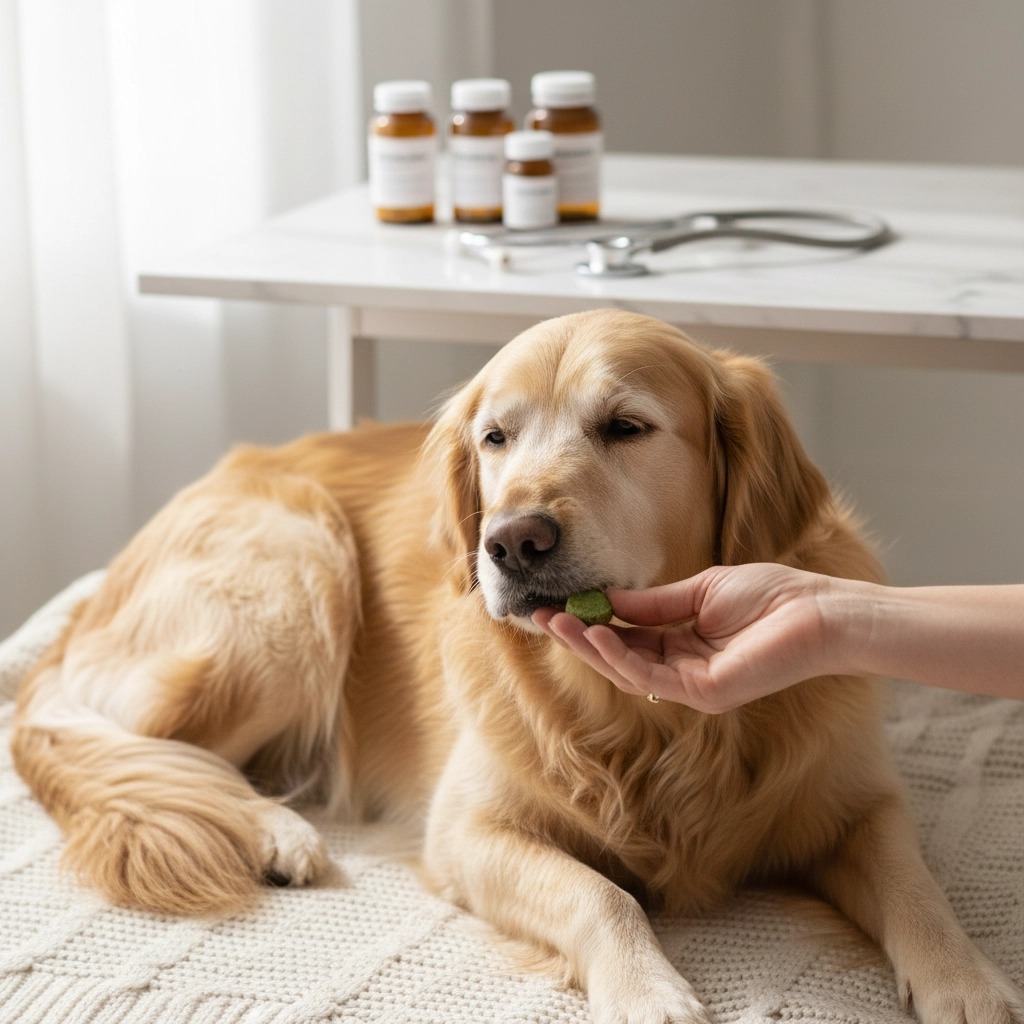
Dogs with liver disease or compromised liver function may not metabolize CBD properly, leading to accumulation and potential toxicity. Similarly, dogs with heart conditions may be more sensitive to CBD's effects on blood pressure and heart rate.
If your dog takes any medications: whether prescription or over-the-counter: CBD could affect how these drugs work in your pet's system. This is particularly important for medications with narrow therapeutic windows, where small changes in blood levels can be dangerous.
Creating a Safety Plan
Protecting your dog while using CBD requires a systematic approach. Start by having an honest conversation with your veterinarian about your goals for CBD use and your dog's complete medical history. Choose high-quality, third-party tested products specifically designed for pets.
Begin with the lowest possible dose and monitor your dog closely for any changes. Keep detailed records of dosing, timing, and your dog's response. This information will be valuable for both you and your veterinarian in determining the safest and most effective approach.
Never stop your dog's regular medications to replace them with CBD without veterinary supervision. CBD should generally be considered a complementary therapy rather than a replacement for proven medical treatments.
Remember that every dog is different, and what works safely for one pet might not be appropriate for another. Stay informed about new research and regulations in the pet CBD space, and don't hesitate to ask questions or seek professional guidance when in doubt.
By avoiding these seven critical mistakes, you can help ensure that CBD use enhances your dog's quality of life rather than putting their health at risk. The key is approaching CBD with the same caution and respect you would give any other medication or supplement( because that's exactly what it is.)