 (+035) 527-1710-70
 google@gmail.com
 Choose an address


The CBD market has exploded over the past few years, but with that growth came a flood of fake and low-quality products that are wasting your money and potentially putting your health at risk. With the FDA issuing countless warnings about counterfeit CBD products and misleading labels, it's more important than ever to know how to separate the real deal from the fakes.
You shouldn't have to be a scientist to figure out if you're buying quality CBD. The good news? There are five straightforward tests you can do right now to spot fake products before you spend another dollar on them. Let's dive into these simple checks that will save you from throwing money away on products that don't deliver.
Test 1: Demand to See Third-Party Lab Results
This is your number one defense against fake CBD products. Any legitimate CBD company will have their products tested by independent laboratories and will happily share those results with you. These Certificates of Analysis (COAs) should show exactly what's in the bottle – not just CBD content, but also THC levels, other cannabinoids, and whether there are any nasty contaminants like pesticides or heavy metals.
Here's what to look for: quality brands make these lab results super easy to find. You should be able to scan a QR code on the package or find them prominently displayed on their website. If a company makes you hunt around for lab results or doesn't have them at all, that's a massive red flag.
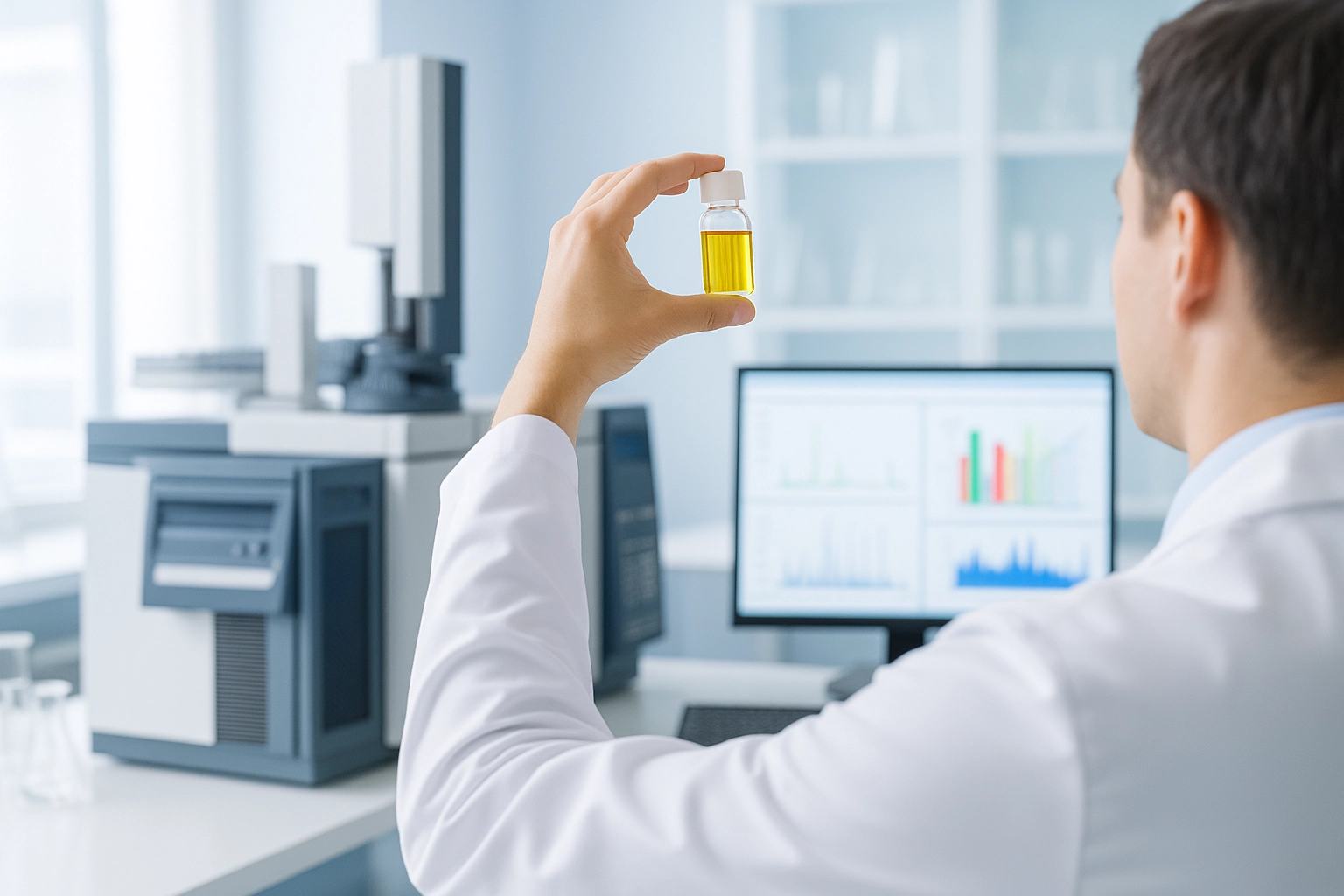
The lab reports should match the batch number on your product and be recent – not something from two years ago. Real CBD companies test every single batch because they know consistency matters. If you can't find current, specific lab results for the exact product you're buying, walk away.
Test 2: Watch Out for Impossible Claims
Fake CBD products love to make claims that sound too good to be true – because they usually are. One of the biggest red flags is when a product claims to be both "full spectrum" and "THC free" at the same time. This is scientifically impossible. Full spectrum CBD naturally contains trace amounts of THC (under 0.3%) along with other beneficial cannabinoids.
You should also be immediately suspicious of any CBD product making medical claims. Legitimate companies know they can't legally claim their products will cure, treat, or prevent any disease. If you see promises about curing cancer, eliminating anxiety disorders, or treating epilepsy, you're looking at a company that either doesn't understand the regulations or doesn't care about following them.
Another common trick is inflating dosage numbers. Be skeptical of products claiming ridiculously high CBD concentrations at bargain prices – the math usually doesn't add up when you factor in the actual cost of quality CBD extraction.
Test 3: Read the Ingredient List Like a Detective
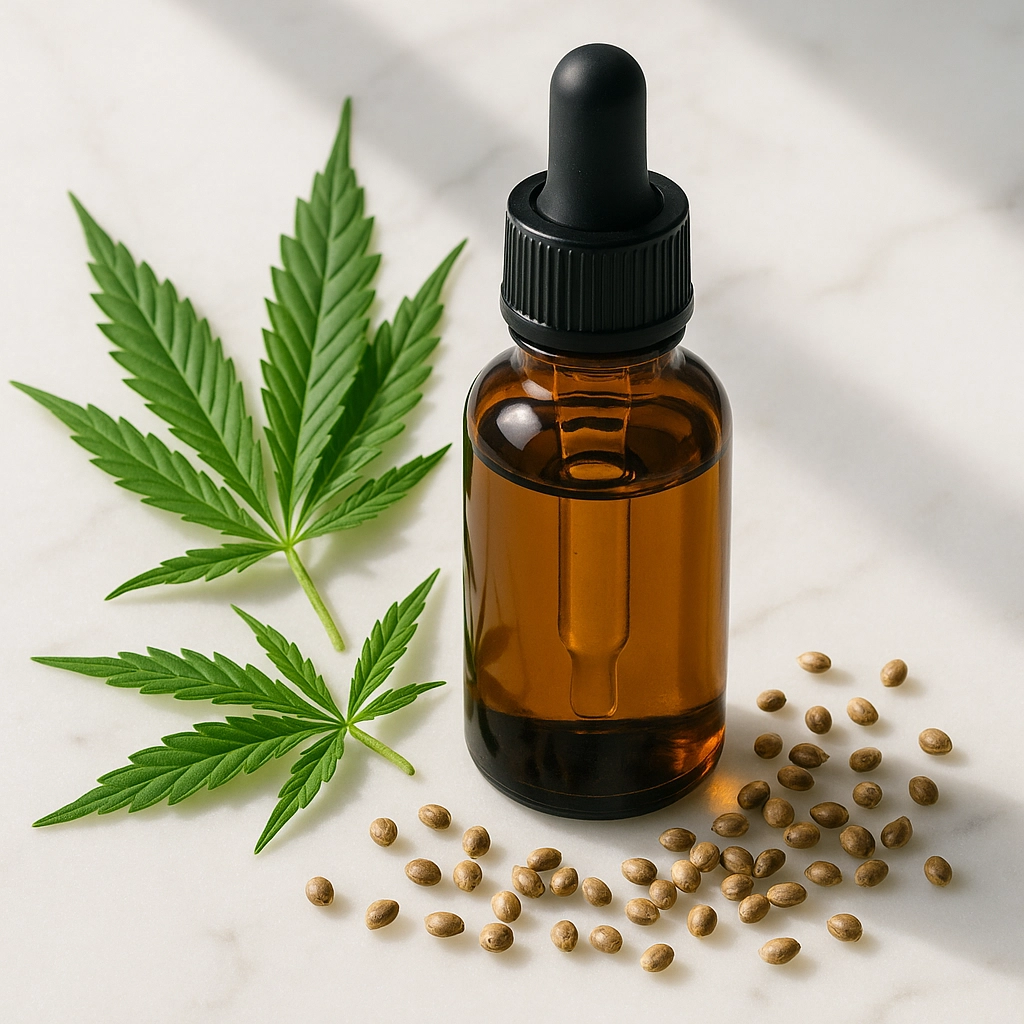
This might seem obvious, but you'd be amazed how many people skip reading the actual ingredients. Fake CBD products often use hemp seed oil instead of real CBD hemp extract because it's much cheaper. Hemp seed oil has virtually no CBD in it, but it sounds legit enough to fool unsuspecting customers.
Look for ingredients that specifically mention "CBD hemp extract," "cannabidiol," or "hemp-derived CBD." The ingredient list should also tell you what type of CBD you're getting – whether it's isolate, broad spectrum, or full spectrum. Vague terms like "hemp oil" or "cannabis oil" without specifying CBD content are warning signs.
Quality products will be transparent about their extraction methods too. CO2 extraction is generally considered the gold standard, while cheap extraction methods using harmful solvents should be avoided.
Test 4: Examine the Packaging and Price
Your eyes can tell you a lot about CBD quality before you even open the bottle. First, check the container – legitimate CBD products come in dark amber or opaque bottles. If you see CBD oil in a clear glass bottle sitting under bright store lights, that's a problem. CBD degrades when exposed to light, so any reputable company knows to use protective packaging.
Next, let's talk about price. While expensive doesn't always mean better, extremely cheap CBD is almost always a red flag. Quality CBD extraction is expensive, and proper testing costs money. If you find CBD products priced way below market average, they're probably cutting corners somewhere – either using minimal actual CBD or skipping important safety testing.
Be especially wary of products with price points that seem too good to be true. A 1000mg CBD tincture selling for $15 at a gas station is probably not going to deliver the quality you're looking for.
Test 5: Check Where and How It's Being Sold
The location where you're buying CBD matters more than you might think. Avoid purchasing CBD from convenience stores, gas stations, or smoke shops. These retailers typically don't have the expertise to vet products properly, and they're often more interested in quick sales than customer safety.
Amazon is another place to avoid for CBD products. Due to their policies, legitimate CBD companies can't sell real CBD products on Amazon. What you'll find instead are hemp seed oil products masquerading as CBD or other misleading alternatives.
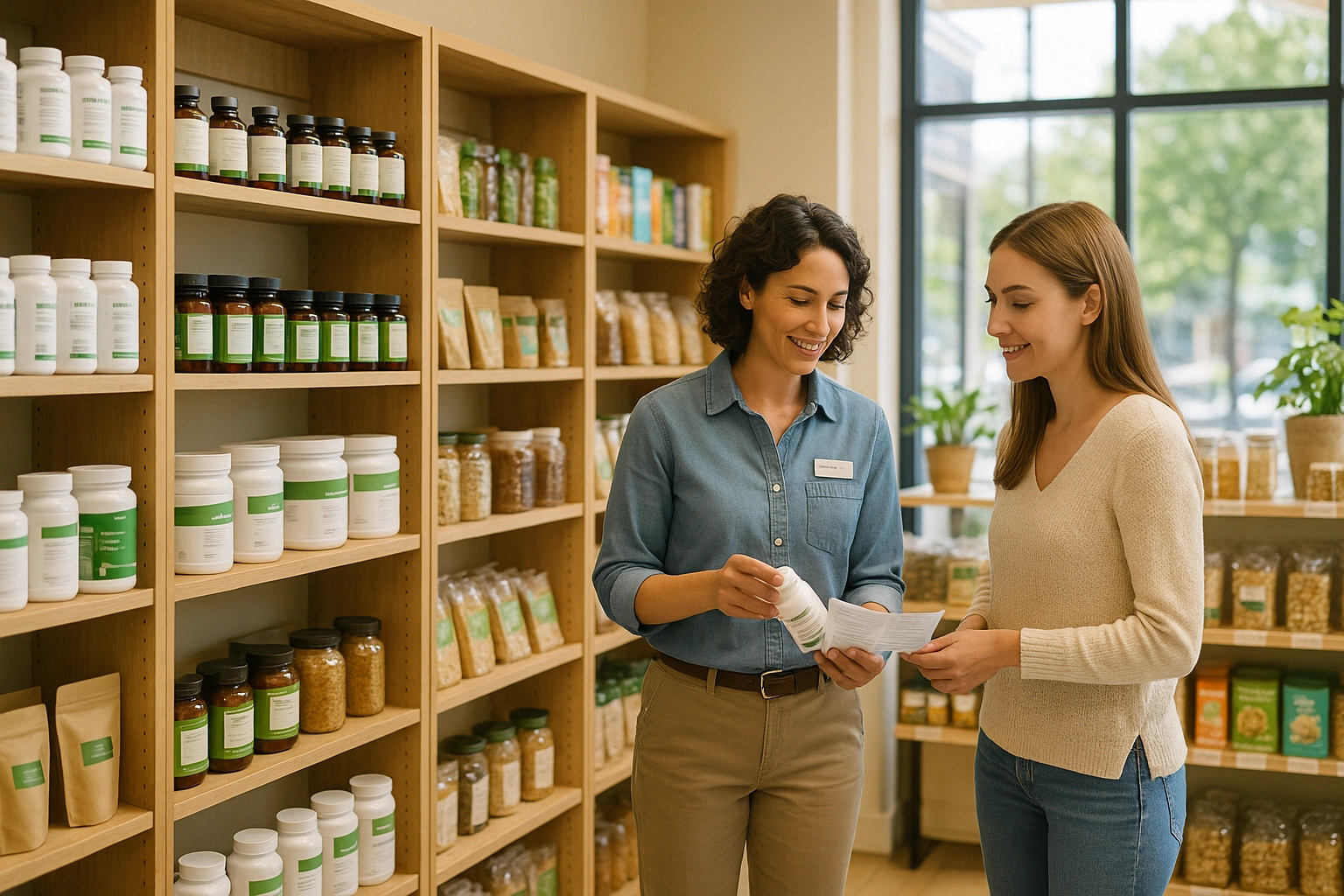
Instead, look for CBD at health food stores, natural supplement retailers, or directly from reputable manufacturers. These sellers are more likely to understand the products they're carrying and ask the right questions about quality and testing.
Research the brand itself too. Quality CBD companies are transparent about their hemp sourcing – they'll tell you where their hemp is grown and often highlight if it's USDA organic. They'll also be open about their manufacturing processes and have customer service teams that can answer detailed questions about their products.
Additional Warning Signs to Avoid
Beyond these five main tests, there are a few other red flags worth mentioning. Be cautious of brands that:
- Make their products sound like miracle cures
- Use fake celebrity endorsements or testimonials
- Have no clear contact information or customer service
- Refuse to provide detailed product information
- Have overwhelmingly negative customer reviews mentioning ineffective products
Making Your CBD Investment Count
The CBD industry is moving toward higher quality standards, with new regulations and testing requirements being implemented regularly. By applying these five simple tests, you're not just protecting your wallet – you're also supporting companies that are doing things the right way.
Remember, quality CBD products are an investment in your wellness routine. Taking a few extra minutes to verify authenticity can save you from wasting money on fake products that won't deliver the benefits you're looking for.
When you find a brand that passes all these tests, you can feel confident that you're getting real CBD that's been properly extracted, tested, and handled. Your money will be well spent, and you'll actually experience the benefits that drew you to CBD in the first place.
Don't let fake products discourage you from exploring what quality CBD can offer. With these simple verification steps in your toolkit, you'll be able to navigate the market like a pro and consistently choose products that deliver real value.